


With so many woodworking clamps on the market, it might be difficult to choose the appropriate one. Understanding the various types and applications of clamps is critical for any skilled carpenter, furniture maker, or tool distributor. If you are considering purchasing woodworking clamps, this blog introduces common types, key selection criteria, effective clamping techniques, and typical applications. You will learn how to select the most suitable tools based on your unique needs, enabling you to make informed purchasing decisions and enhance both work efficiency and project quality.
Woodworking clamps are hand tools that hold and fasten pieces of wood together during woodworking projects. They apply pressure to keep work pieces aligned and tightly attached during processes like gluing, assembly, drilling, cutting, and repair. They are indispensable tools for the woodworking workshop, ensuring your workpieces remain stable and precise during processing.
• F Clamps & Bar Clamps
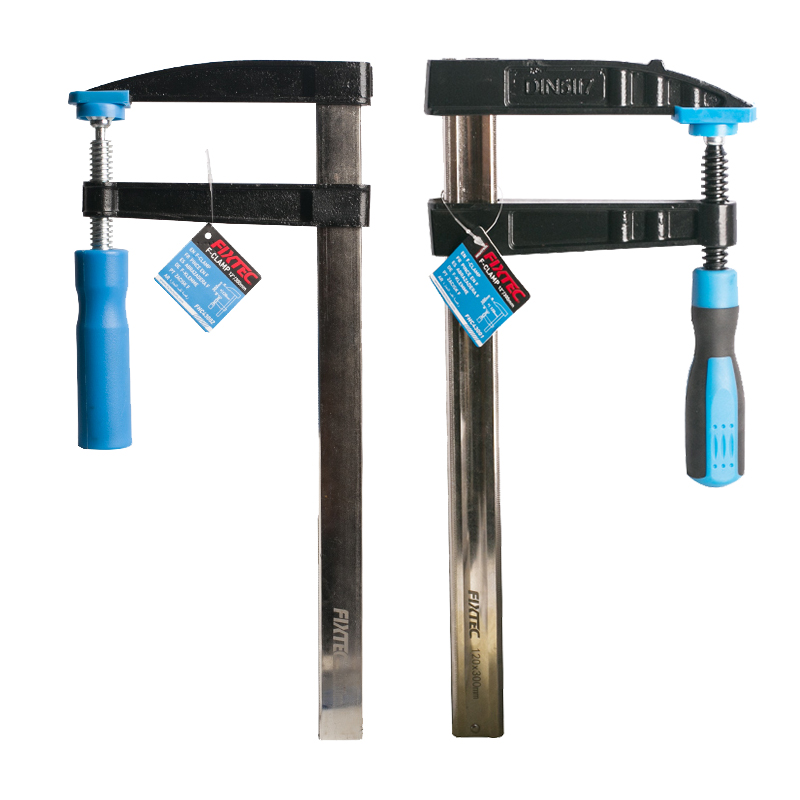
F-clamps and woodworking bar clamps are useful woodworking hand tools used to secure workpieces during woodworking processes. They include adjustable sliding jaws that can accommodate materials of varying diameters while providing consistent clamping pressure.
F-clamps are great for common woodworking projects that demand quick adjustments and flexibility, whereas bar clamps often have a larger opening capacity, making them more suited to handle large workpieces such as panels, cabinetry, and furniture assemblies. For example, when assembling large bookcases or tabletops, bar clamps provide the necessary span and pressure.
• Parallel Clamps
A parallel clamp is a precision woodworking tool used to keep workpieces perfectly aligned while delivering consistent pressure. Its parallel jaws stay perpendicular to the workpiece surface at all times, which helps to prevent movement or uneven glue joints while assembly.
Parallel clamps are commonly employed in professional woodworking tasks that demand exact alignment and consistent clamping pressure due to their great precision and stability.
• Pipe Clamps
Woodworking pipe clamps are heavy-duty woodworking clamps that use a threaded steel pipe as the main support bar, allowing the clamping capacity to be modified to match the size of the project. They produce powerful and consistent pressure, making them excellent for firmly holding large, heavy workpieces. Pipe clamps are particularly well-suited for large-scale gluing projects requiring immense clamping force, such as fabricating dining tabletops or heavy timber beams.
• Corner & Strap Clamps
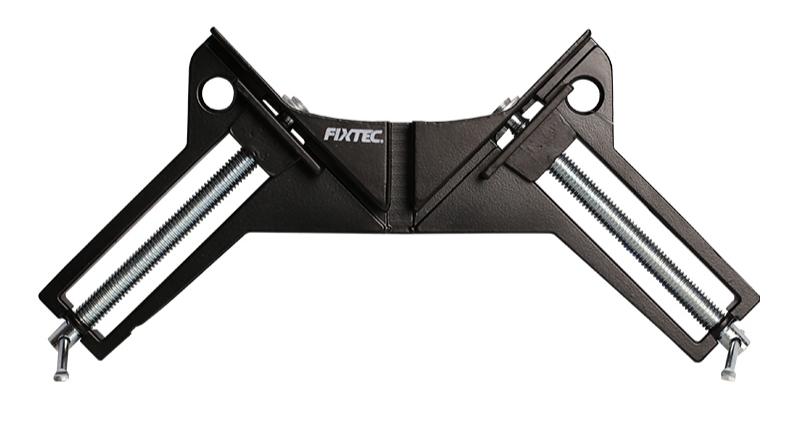
Corner clamps and strap clamps are meant to keep workpieces in precise places during assembly. Woodworking corner clamps hold two pieces aligned at a specific angle, making them perfect for constructing precise corner joins. Strap clamps employ a flexible strap to wrap around unevenly shaped workpieces, providing uniform pressure from numerous directions. Corner clamps are excellent tools for making picture frames, boxes, or any 90-degree joints, while band clamps easily handle irregularly shaped furniture components.
• Spring & Quick-Release Clamps
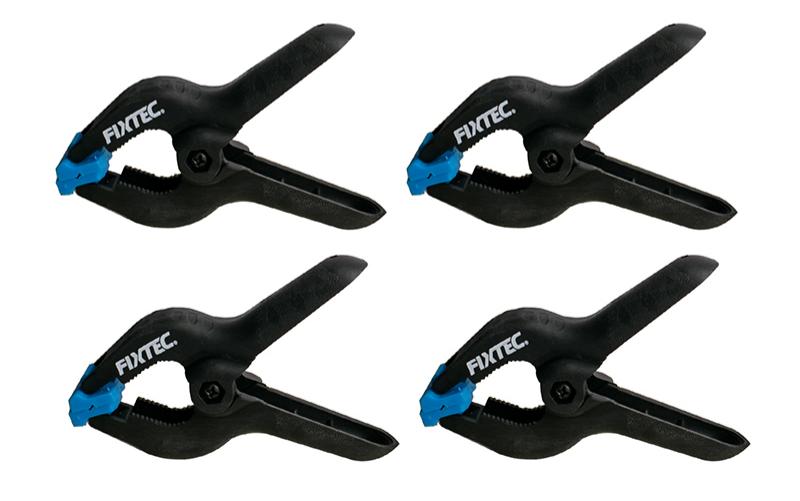
Woodworking spring clamps are small, lightweight tools that behave similarly to a clothespin. They're great for swiftly grasping and temporarily holding small workpieces. Because of their modest clamping force, they are better suited to light-duty chores than large or heavy-duty woodworking projects.
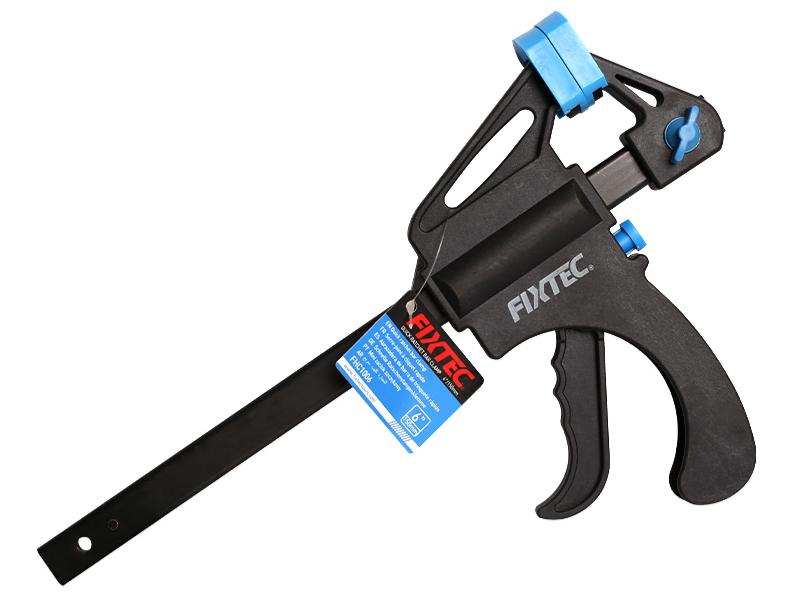
Quick-release clamps have a trigger-style mechanism that lets you adjust and release the clamp with one hand. They are an ideal solution for woodworking jobs that demand quick setup, frequent adjustments, or quick repositioning.
• C-Clamps
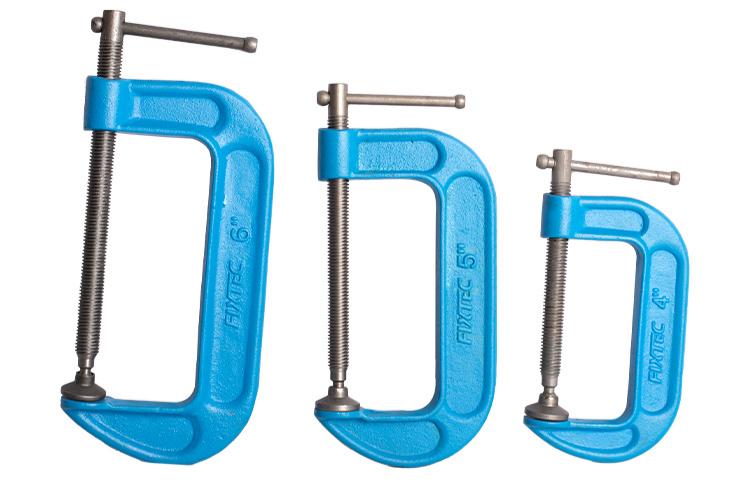
The C-clamp(G Clamps) is a heavy-duty clamp with a simple C-shaped frame and a threaded screw mechanism that provides strong, consistent clamping force. Renowned for their rugged durability, C-clamps are frequently used in metalworking and heavy-duty woodworking, providing unmatched clamping force.
• Hand Screw Clamps
Hand screw clamps are conventional woodworking clamps with two hardwood jaws that may be adjusted by turning the handles on each side. You can use them to securely hold workpieces while applying light and uniform pressure, making them ideal for delicate woodworking projects. With their adjustable jaws and non-marring design, wooden hand-screw clamps are an ideal choice for handling delicate wood or irregularly shaped workpieces, as they prevent pressure marks.
• Project Type
The type of project is critical in determining the appropriate clamp. For woodworking projects involving large or heavy workpieces, larger clamps with more clamping force may be required; for tiny or intricate projects, lightweight, easy-to-handle wooden working clamps with quick adjustments may be the best option. Choosing the right clamp depending on project needs improves stability, precision, and job efficiency. For example, constructing large furniture requires heavy-duty bar clamps, whereas intricate carving might call for small spring clamps.
• Clamp Size and Opening Capacity
The size of a clamp dictate how securely it can hold a workpiece. When choosing a woodworking clamp, evaluate its opening capacity—the maximum width to which the jaws can open—to ensure that it can handle materials of varying sizes.
Larger workpieces necessitate clamps with a greater opening capacity and deeper reach. Choosing the suitable clamp size ensures a secure hold and minimizes overloading while in operation.
• Materials and Durability
A clamp's strength, durability, and performance are all directly affected by its material and manufacturing quality. When selecting a clamp, examine whether the materials can endure repeated usage and maintain consistent clamping pressure throughout time.
Clamps made of robust materials, such as steel or aluminum, typically provide greater strength and stability, while features such as corrosion resistance and reinforced components can assist extend the tool's useful life.
• Weight and Ease of Use
When selecting a clamp, consider how easy it is to use, adjust, and place during your work. Lightweight clamps are more suited for rapid jobs and routine use, whereas larger clamps may provide more strength but require more effort to use. If your woodworking tasks require frequent use of clamps, choosing lightweight, ergonomically designed clamps will significantly boost work efficiency.
• Additional Features
When selecting a clamp, check for practical features like quick-release mechanisms for faster adjustment, ergonomic grips for easier use, and protective jaw pads to protect workpiece surfaces. Other characteristics, such as non-slip jaws and rust-resistant coatings, can enhance stability, longevity, and user experience. Although these additional features may seem minor, they can significantly enhance the user experience and work efficiency.
• The Dry Fit
Before you apply glue or fully tighten your clamps, always do a dry fit. This allows you to ensure that all parts fit properly and make any necessary adjustments prior to the final assembly. A dry fit prevents alignment concerns, promotes a smooth clamping procedure, and improves the overall quality of your woodworking job. This step is crucial; it effectively prevents the need for rework and ensures the precision of the final product.
• Even Pressure Distribution
Even pressure is essential for developing strong and precise joints. When using clamps, ensure they are properly positioned to avoid excessive pressure at any single point; uneven or excessive force can cause the wood to warp or result in a weak bond. For larger projects, using many clamps and spacing them equally distributes pressure across the entire workpiece, resulting in a more secure and robust grip.
• Protect Your Workpiece
Clamping pressure can occasionally leave scratches or harm the surface of your workpiece, particularly when dealing with soft or delicate woods. To safeguard the material, add protection pads, rubber covers, or small scraps of wood between the clamp jaws and the workpiece.
• Apply the Right Amount of Pressure
Applying the appropriate amount of pressure is critical for creating a strong and secure joint. Tighten the clamp firmly enough to hold the workpiece in place, but do not overtighten, since this might harm the wood or squeeze out too much glue. A correctly placed clamp applies enough pressure to keep the pieces aligned while the glue forms a strong and enduring bond.
• Alternating Clamps & Check Alignment
When clamping larger workpieces, use alternate sides to distribute pressure more evenly and limit the risk of bending or warping. This simple technique increases stability throughout the clamping procedure. Before leaving the project to dry, ensure that all sections are properly aligned. Making minor modifications while the clamps are still in place will help ensure correct assembly and a better finished product. For large workpieces, alternating clamping and repeatedly checking alignment is the best practice for ensuring flatness and stability.
• Clean-up & Glue Squeeze-out
After clamping, remove any extra glue before it completely hardens. Cleaning up glue squeeze-out early makes sanding and finishing much easier and contributes to a cleaner, more professional appearance. Wipe away excess glue using a moist cloth or an appropriate scraper, being cautious not to damage the workpiece's alignment while it is still curing.
• Allow Adequate Drying Time
Before releasing the clamps or using the workpiece, you should give the glue ample time to dry after clamping. Because different adhesives may require varying curing times, always adhere to the drying time advised by the glue manufacturer. In addition to strengthening the joints and increasing the project's endurance, patience during this stage also lowers the chance of the pieces moving or separating.
• Clean after every use: Cleaning promptly after each use is the first step toward extending the service life of the clamp. After you've finished your project, clean up any sawdust, glue residue, or dirt from the clamp. Quickly removing dried glue helps to keep the screw mechanism and jaws running smoothly.
• Lubricate the moving parts: Lubricate threaded screws, sliding bars, and other moving parts as needed. This reduces friction and keeps the clamp running smoothly.
• Store in a dry place: Keep your clamps in a clean, dry place to avoid rust and corrosion. Hanging larger clamps on a wall rack can also assist save space while protecting them from damage.
• Inspect regularly: Before each usage, inspect the clamp for worn threads, loose components, bent bars, or damaged jaws. Early replacement of damaged components contributes to safe and reliable clamping performance.
• Material Certifications & Durability Testing
High-quality clamps should be made from long-lasting materials and subjected to rigorous testing to ensure constant performance under a variety of working circumstances. When assessing suppliers, you should consider material quality, surface treatment, structural strength, and product inspection procedures. Rust-resistant coatings, stronger components, and dependable clamping performance can all contribute to lower quality issues and more customer satisfaction in the market.
FIXTEC Tools guarantees that all products meet international material certification standards (such as ISO 9001 and CE) and undergo rigorous durability testing to ensure exceptional performance in demanding work environments. We focus not only on the quality of the products themselves but also on enhancing market competitiveness through innovative technologies, such as the use of high-strength composite materials.
• Packaging & Modularity for Retail Display
For distributors, appealing packaging and flexible product selections can assist boost shelf appeal and sales success. Well-designed packaging should clearly represent product features, specifications, and usage information, allowing customers to better comprehend the product.
Offering alternative sizes, models, or combination options enables you to address the needs of various market segments while increasing inventory flexibility and retail display efficiency. FIXTEC offers customized retail packaging and modular product assortments to help distributors optimize shelf displays and attract more consumers. We understand that clear product information and a diverse range of choices are key to driving sales.
• The Shift Towards Lightweight yet High-Strength Composite Materials
The woodworking tool business is increasingly shifting toward lightweight materials that offer high strength and durability. Modern clamps are being produced using composite materials and clever engineering techniques to minimize weight while maintaining dependable clamping function.
For distributors, lightweight yet sturdy clamps can provide a better user experience, easier transportation, and a broader market appeal. Products that combine durability, mobility, and ergonomic design are becoming increasingly popular among both professional and DIY clients.
Having familiarized yourself with the various types of woodworking clamps mentioned above, you might consider purchasing woodworking clamps in bulk to expand your hand tool product line. FIXTEC Tools, a tool supplier with over 20 years of international trade experience, provides one-stop sourcing services to help clients improve their product portfolios and stable, reliable woodworking clamp solutions adapted to varied markets.
Our woodworking clamps include F-clamps, corner clamps, quick-release ratchet bar clamps, spring clamps, and G-clamps, all of which are designed to fulfill a wide range of application needs and client specifications. We assist tool wholesalers, hardware store owners, and brand traders in developing highly competitive tool product portfolios by utilizing substantial product resources, a rigorous quality control system, and OEM/ODM services. Whether you're looking for a reliable supplier of woodworking clamps or want to extend your current tool line, FIXTEC provides consistent product support and long-term collaboration options. Contact FIXTEC today to explore how we can expand the market together and achieve mutual success through our diverse product line and customized services.
1. How many clamps do I need for woodworking?
The size and intricacy of the job determine how many woodworking clamps are needed. Large projects, like building furniture or assembling panels, usually need several clamps to firmly keep the materials in place, whereas modest jobs, like basic repairs or the installation of small components, could only need a handful. It is recommended that beginners prepare at least 4–6 medium-sized clamps to handle most common projects.
2. What size clamps for woodworking should a novice purchase first?
Beginners should start with adaptable clamp sizes that can handle a variety of popular woodworking projects. Medium-sized clamps are typically a suitable choice since they strike an appropriate mix between clamping capacity, mobility, and convenience of use. For example, many woodworkers start with 6-inch and 12-inch bar clamps or F-style clamps, which are enough for most modest furniture repairs, frame construction, and general glue-ups. It is recommended to start with 6-inch and 12-inch F-clamps or bar clamps; they are versatile and can meet most entry-level woodworking needs.
3. What features should wholesalers consider when purchasing woodworking clamps?
Wholesalers should go beyond price and focus on clamps with consistent quality and high market demand. A comprehensive product line featuring popular clamp kinds and sizes can assist fulfill the needs of various consumer groups and increase sales potential.
When choosing a woodworking clamps supplier, you should consider durable materials, consistent manufacturing capacity, reliable delivery, and OEM/private label services in mind. Retail-ready packaging and marketing support can also help you get items to market more quickly and gain a competitive advantage.
4. What is the minimum order quantity for wholesale woodworking clamps?
The minimum order quantity for wholesale woodworking clamps varies according on the supplier, product type, and customization specifications. However, a flexible MOQ policy might assist wholesalers in reducing inventory pressure and exploring new market prospects.
At FIXTEC, we offer flexible MOQ and mixed orders, allowing you to ship many clamp types, sizes, and other tool products in one shipment. This makes it easy to test new tools, develop a complete product line, and meet a variety of client requests without making huge initial investments.


