


At first glance, impact wrenches and impact drivers look almost identical, but recommending or choosing the wrong tool can quickly lead to stripped screws, snapped bolts, and costly customer complaints. Whether stocking retail shelves or advising trade clients on the jobsite, understanding their real-world capabilities is essential. This blog breaks down how each power tool works, compares their key technical differences, and gives you a practical selection framework to match every project with confidence.
An impact driver is a compact, high-speed fastening specialist engineered primarily to drive long screws, lag bolts, and structural fasteners through dense timber or light metal with minimal operator strain. While a standard rotary drill relies purely on continuous motor rotation, an impact driver kicks in with a specialized rotational hammer-and-anvil mechanism whenever resistance rises. Sinking a screw into hardwood triggers internal spring-loaded hammers that deliver thousands of rapid rotational pulses per minute (IPM), driving fasteners smoothly without the violent continuous torsional kickback typical of regular drills.
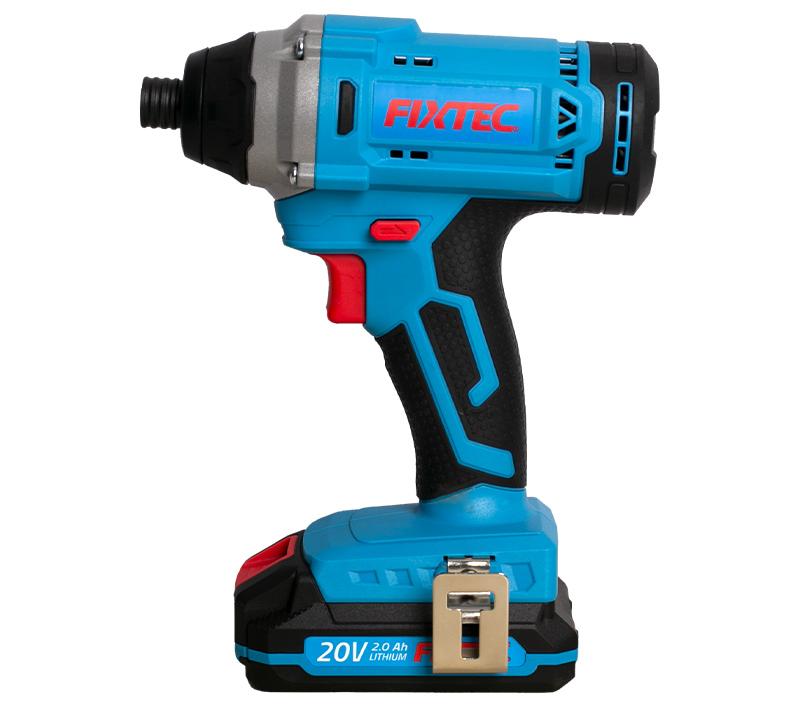
To keep workflows moving smoothly, an impact driver features a 1/4-inch hex quick-release collet. Simply slide the spring collar forward to snap in hex-shank screwdriver bits, nut setters, or spade bits in seconds. Across the hardware distribution sector, this tool serves as a reliable, high-turnover staple. It remains the essential daily sidearm for residential carpenters, drywall installers, electricians, and decking contractors—generating steady, year-round revenue for your business through recurring purchases of bits, fasteners, and compatible battery packs.
An impact wrench (often called an impact gun) is a heavy-duty bolting tool built to unleash massive rotational force for tightening or loosening large hexagonal bolts, stubborn nuts, and seized structural hardware. Far removed from driving everyday wood screws, this tool thrives under the demanding torque requirements of automotive repair bays, agricultural machinery, and heavy industrial maintenance—delivering the aggressive concussive power needed to blast free rusted suspension bolts and overtightened lug nuts without bending your manual breaker bars.
Instead of a bit collet, an impact wrench features a solid 1/2-inch square drive anvil (with compact 3/8-inch and heavy 3/4-inch options engineered for specialized trades). This forged anvil employs a friction hog ring or a steel detent pin to retain heavy-duty impact sockets under full load. Professional mechanics and commercial builders rely on this tool as an indispensable daily workhorse for raw breakaway muscle and enduring motor reliability when tackling heavy mechanical joints.
While both tools use rotational impact mechanisms, their internal engineering and operating limits serve different trade disciplines. A side-by-side look at these core differences will help guide your buyers toward the right purchase every time.
The front drive interface dictates compatible accessories and establishes the structural torque ceiling:
Impact Driver Setup: Features a 1/4-inch hex collet built specifically for 1/4-inch hex-shank driver bits and accessories. The spring-loaded sleeve enables rapid bit swaps during repetitive framing, cabinetry, or drywall installations.
Impact Wrench Setup: Employs a solid 1/2-inch forged square anvil engineered to absorb heavy rotational shockwaves during high-load hex bolting and nut removal.
A frequent jobsite misstep is using a cheap 1/4-inch hex-to-square adapter to turn an impact driver into an impact wrench. While workable for spinning light 8mm to 10mm nuts in minor assemblies, always remind your trade clients of the physical limit: heavy-load bolting quickly shears the narrow neck of a 1/4-inch hex adapter. Loosening stubborn vehicle lug nuts or structural steel hardware demands the solid mass and structural integrity of a dedicated 1/2-inch square anvil.
Torque represents the turning force delivered to the fastener, marking a substantial performance difference between the two tool classes:
Impact Drivers: Typically deliver between 150 Nm and 250 Nm (approx. 110 to 185 ft-lbs) of maximum torque on common professional models. This range provides an effective sweet spot for sinking self-tapping screws and medium lag bolts with good control.
Impact Wrenches: Commonly range from 350 Nm to well over 700+ Nm (approx. 260 to 500+ ft-lbs) of fastening torque on professional mid-to-high torque platforms, with nut-busting breakaway ratings reaching significantly higher.
In mechanical fastening, raw power requires precision. Using a high-torque impact wrench on small timber screws carries a high risk of over-driving, shearing fastener heads, or stripping threads. You want an impact driver for controlled speed and finesse on standard screws and lighter fasteners, reserving an impact wrench for the brute force needed to break loose frozen, rusted, or high-tensile hardware
The relationship between rotational speed (RPM) and impact frequency (IPM) defines the operating characteristics of each tool:
Impact Drivers prioritize high RPM: Frequently operating between 2,800 and 3,200+ RPM with rapid concussive beats (often 3,500+ IPM on select models). This higher speed drives long fasteners home quickly, helping screws advance before friction builds excessive heat.
Impact Wrenches prioritize heavy impact energy: Operating at lower rotational speeds (typically 1,800 to 2,200 RPM), the internal mechanism strikes with fewer but substantially heavier blows (typically 2,400 to 2,800 IPM). Each strike transfers significant rotational inertia through the anvil, helping you break corrosion bonds on seized nuts without hesitation.
Tool ergonomics play a major role in operator endurance and daily jobsite efficiency:
Impact Drivers: Exceptionally compact, frequently measuring under 130 mm in head length and weighing just 1.1 to 1.3 kg (bare tool on typical models). This slim profile allows you to reach deep inside tight cabinetry, work between narrow wall studs, and complete overhead installations with reduced shoulder fatigue.
Impact Wrenches: Built with a reinforced gear housing and a solid steel anvil, bringing total tool weight to roughly 1.6 to 2.5 kg (bare tool, depending on torque class). That substantial mass is necessary to absorb heavy internal hammer strikes and maintain tool durability across demanding industrial use.
Selecting or recommending the ideal tool comes down to evaluating three practical factors: fastener type, workspace clearance, and the torque demanded by your specific job.
An impact driver is generally the preferred choice when projects center on driving threaded fasteners into timber, plastic, composite board, or light steel framing, as well as handling light nut-driving tasks.
Typical application areas include:
Decking and Exterior Framing: Sinking hundreds of 3-inch decking screws flush into treated timber quickly and efficiently.
Cabinetry and Furniture Assembly: Installing cabinet hinges, hanging drawer runners, and assembling casework where compact tool clearance is essential.
Drywall and Interior Finishing: Fastening plasterboard to timber or steel studs with minimal risk of over-penetration when using appropriate bit stops.
General Jobsite Maintenance: Everyday light-to-medium fastening tasks demanding fast, fatigue-free screwdriving.
An impact wrench is generally the preferred choice whenever daily tasks center around large hexagonal bolts, automotive hardware, and heavy machinery maintenance.
Key trade applications include:
Automotive and Tire Services: Efficiently unbolting and running down wheel lug nuts, overhauling suspension control arms, and removing stubborn brake caliper brackets. Remind your technicians that final wheel nut torque must always be verified using a calibrated manual torque wrench to match manufacturer vehicle specifications.
Agricultural and Heavy Plant Repair: Servicing tractors, plows, and excavators where fasteners are oversized and coated in heavy road grime and rust.
Structural Steel and Heavy Timber: Fastening structural anchor bolts, pipe flanges, and heavy industrial mounting hardware.
Industrial Mechanical Overhauls: Plant maintenance tasks demanding high-load, heavy-duty mechanical bolting.
Trade contractors and mobile technicians rarely rely on just one tool—most jobsites demand both across a standard workday. You might spend the morning building wooden framework with an impact driver, followed by afternoon machinery maintenance calling for an impact wrench.
Investing in a compatible 20V cordless combo kit from the same manufacturer unlocks immediate operational and financial advantages:
Shared Battery Platform: When tools belong to the same brand and compatible battery platform, workers can hot-swap the same 20V lithium-ion battery packs seamlessly across impact drivers, impact wrenches, and compatible drills.
Optimized Capital for Trade Buyers: Securing both foundational tools in a dual-tool bundle costs significantly less per unit than purchasing standalone kits with redundant chargers.
Stronger Margins for Wholesalers: Stocking matched combo kits elevates average order value while handing your commercial clients a turnkey, job-ready package straight from the box.
The practical guideline for choosing between these two tools is straightforward: prioritize an impact driver for driving screws, woodworking, and light fastening; rely on an impact wrench for large hexagonal bolts, automotive hardware, and heavy-duty mechanical maintenance.
For tool importers, hardware retailers, and regional distributors looking to expand their professional catalog, partnering with a dependable one-stop tools supply partner ensures your shelves stay stocked with high-demand gear. FIXTEC Tools supports wholesale partners worldwide with a professional lineup of high-performance 20V brushless impact drivers and impact wrenches, engineered with intelligent Battery Management Systems (BMS) and durable, jobsite-ready housings. All tools carry authentic CE, GS, EMC, RoHS, and ETL certifications, backed by extensive finished stock that guarantees fast dispatch within 7 business days. Ready to equip trade customers with reliable, professional-grade fastening solutions? Explore our complete impact tools range or contact FIXTEC today for full product specifications and wholesale container pricing.
Q1: Does an impact driver drain batteries faster than a standard drill during heavy fastening?
Surprisingly, no. Because the rotational impact mechanism delivers power in rapid, high-momentum pulses, the motor rarely stalls under high resistance. This pulsed delivery actually reduces continuous current draw and thermal buildup compared to a standard drill straining under heavy load, ensuring efficient battery runtime.
Q2: Why are brushless motors preferred for commercial-grade impact tools?
Brushless motors eliminate carbon brush friction and internal sparking, providing up to 30% greater energy efficiency and significantly longer motor lifespans. For heavy daily bolting and driving, brushless systems deliver consistent torque output while resisting dust and heat buildup on harsh jobsites.
Q3: Can wholesale distributors consolidate impact tools with other power tools in a mixed container?
Yes, multi-category mixed container consolidation is fully supported. Wholesale buyers can mix cordless impact tools with angle grinders, drills, and accessories across our 2,500+ SKU catalog into a single container shipment, keeping testing MOQs low without tying up excess working capital.
Q4: Does FIXTEC offer exclusive regional distributorship and marketing support?
Yes, regional exclusivity is available for qualified wholesale partners who commit to agreed annual sales targets. We safeguard your local profit margins against cross-market price undercut, backed by branded showroom display racks, customized marketing collateral, and joint promotional support.


